Is There Hope in the Music Tech Industry? AI, VST Plugins, and the Rise of Independent Developers
My Journey From Musician to VST Plugin Developer
Although I originally studied music production engineering rather than performance, I discovered programming during college and quickly became fascinated by the intersection of music and technology. Inspired by my studies and my work with SuperCollider, What led me to develop VST Plugins began building music applications to explore the relationship between mathematics and sound.
Years later, after working as a programmer across multiple industries, I decided to return to my original dream: creating music and developing audio software.
How COVID Changed the Audio Software Industry
The audio plugin industry was partially affected by the COVID-19 pandemic, as supply-chain disruptions and production delays slowed the release of new products. Some audio software companies struggled to adapt to remote work, while musicians and producers faced financial uncertainty. As budgets tightened, many users turned to VST free alternatives and affordable audio software rather than expensive proprietary solutions.
Industry events and trade shows, traditionally used to showcase new VST plugin technology, were canceled or moved online. This dramatically reduced visibility for both established companies and emerging developers. The pandemic exposed weaknesses in long-standing business models and forced many companies to rethink how they developed and marketed audio products.
Building a Free Vocal Rider Plugin
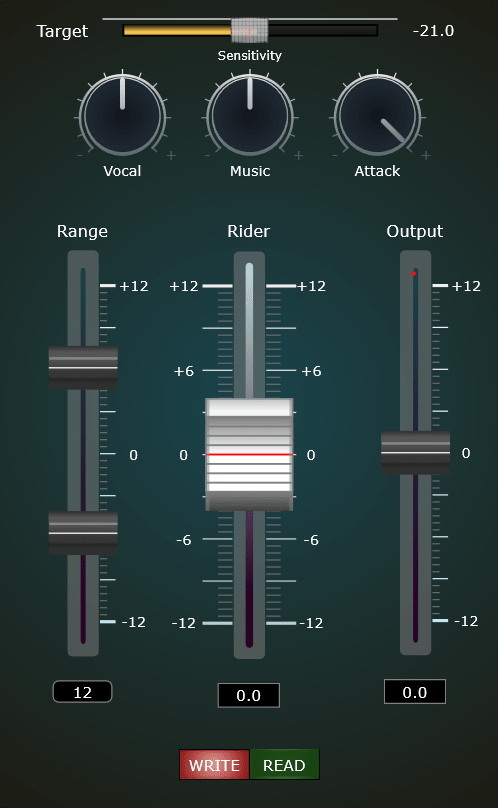
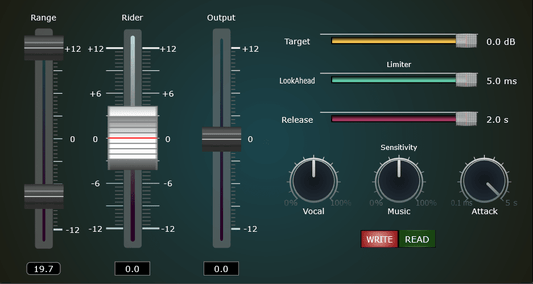
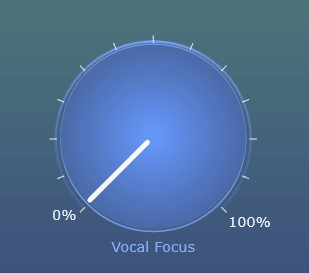
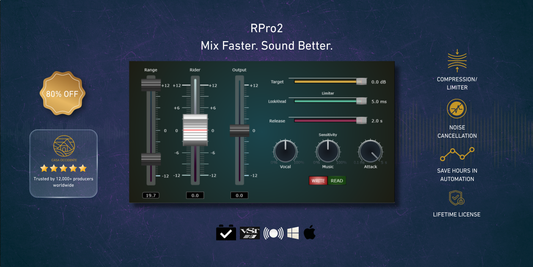
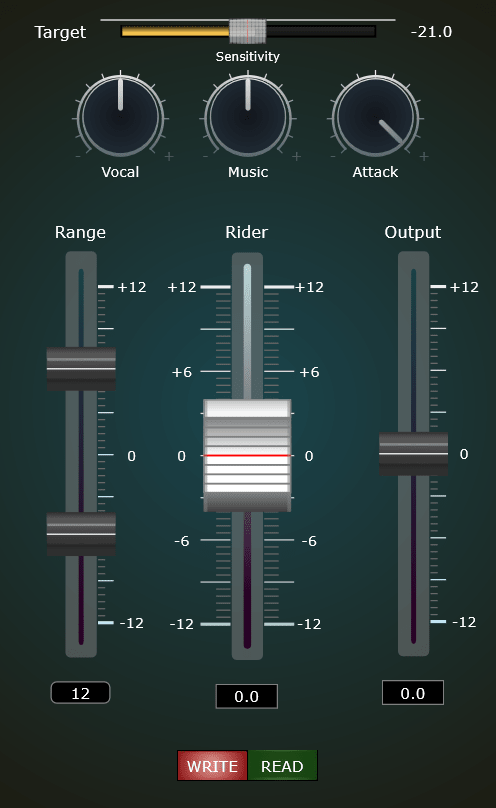
In early 2025, I began developing what would become one of my first successful audio products: a free vocal rider plugin. The project was created quickly, but its impact exceeded my expectations, reaching more than 15,000 downloads.
The success of the plugin demonstrated that there was still demand for first-of-all affordable and innovative VST plugins that solved real-world problems for producers and engineers. More importantly, it showed that independent developers could compete in a market traditionally dominated by large corporations.
For many users searching for VST free solutions, accessibility and simplicity often matter more than brand recognition.
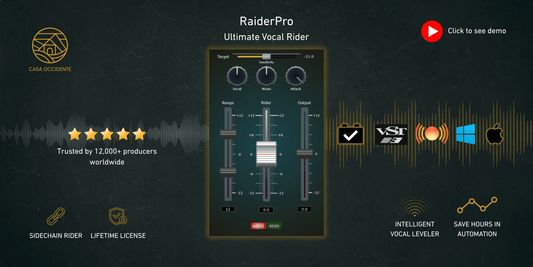
You can try the latest version now named RaiderPro here:
How AI Is Changing DSP and Audio Plugin Development
AI is transforming software development across countless industries, and music technology is no exception.
Today, independent developers can use AI-assisted tools to accelerate coding, research, testing, and product development. Tasks that once required large engineering teams can now be accomplished by smaller teams or even solo creators.
This doesn't eliminate the need for DSP knowledge or audio engineering expertise. However, it lowers barriers to entry and enables more people to experiment with creating VST plugins, effects processors, and music production tools.
The result is a growing ecosystem of innovative products that challenge the industry's traditional gatekeepers.

The Monopoly Problem in the Music Tech Industry
One of the biggest challenges facing the music tech industry is market concentration. A relatively small number of companies control a significant portion of the audio software market.
When competition decreases, innovation often slows. Many producers have expressed frustration with expensive licensing models, subscription-based software, bloated installation systems, and a lack of groundbreaking new features.
At the same time, independent developers frequently face legal and financial obstacles that make it difficult to challenge established companies.
The music technology ecosystem benefits when competition thrives and creators have multiple options to choose from.
Why Independent Developers Matter
Independent developers bring fresh ideas, experimentation, and diversity to the music technology landscape.
Unlike large corporations that may focus heavily on maintaining existing revenue streams, smaller companies often take creative risks. They explore new workflows, develop unique processing techniques, and create tools that solve niche problems for musicians and producers.
Whether someone is looking for advanced mixing tools, affordable VST plugins, or plugins FL Studio users can integrate into their workflow, independent developers play a critical role in expanding creative possibilities.
The Future of VST Plugins and Music Production
The future of music technology will likely be shaped by a combination of artificial intelligence, independent development, and increased accessibility.
As development tools become more powerful and affordable, more creators around the world will have the opportunity to build audio software. This could lead to a more diverse and innovative marketplace where musicians have access to better tools at more reasonable prices.
The rise of independent VST plugin creators suggests that the industry is entering a new era—one where innovation is no longer limited to a handful of companies.
Is There Hope in the Music Tech Industry?
Despite concerns about monopolies, acquisitions, and market consolidation, I remain optimistic about the future of music technology.
The barriers that once prevented independent developers from entering the industry are gradually disappearing. AI-assisted development, accessible programming tools, and global online distribution have created opportunities that simply did not exist a decade ago.
For musicians, producers, and aspiring developers, there has never been a better time to experiment, create, and contribute.
So, is there hope in the music tech industry?
Yes. That hope lies in innovation, competition, independent creators, and the growing community of people building the next generation of VST plugins, VST free tools, and plugins FL Studio users rely on every day.
Read the continuation of this blog's series here:
AI in Music Tech: Why Judgment Is Your Competitive Advantage